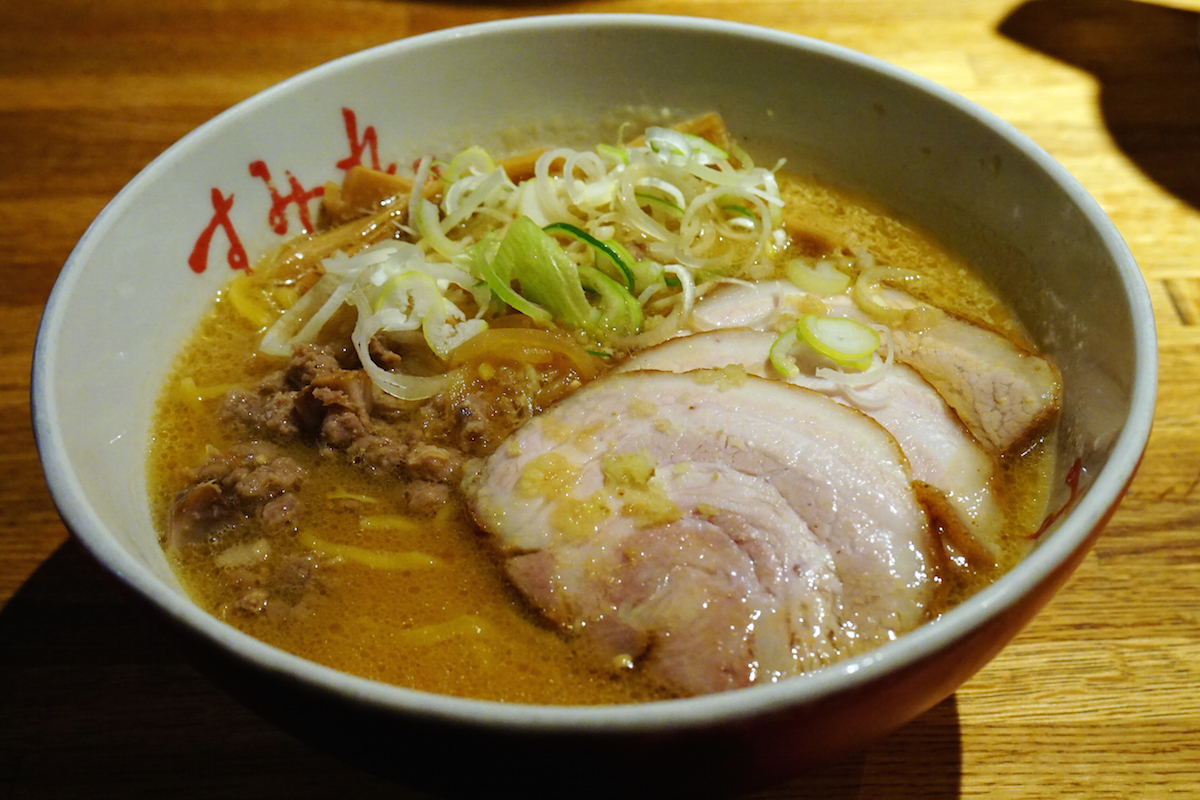
Last week we asked you to cast your vote for what fast food trend you’d like to see take over Newcastle in the post burger craze phase. You spoke, and it seems that Novocastrians are looking straight past the Poke Bowls and strange food combinations currently dominating the Melbourne food scene and are instead headed straight to the land of the rising sun for a hot steamy bowl of Ramen.
What is Ramen?

When many think Japanese food they head straight to Sushi, but anyone who’s spent any time in Japan knows the real national dish is Ramen.
A typical bowl of Ramen consists of wheat noodles served in a meat, soy, miso or fish-based broth. The bowl of noodles and soup is then topped with all sorts of things including sliced pork, dried seaweed, hard boiled egg, pickled bamboo shoots, and green onions.
A ramen for every taste

There are 4 main types of Ramen soup flavours. They are Shio, Shoyu, Miso and Tonkotsu. Below we give you a brief look at what’s typically in each bowl.
Tonkotsu
The king of all Ramen, and possibly the best starting point for Ramen virgins due to its westerner friendly soup flavour.
Also known as Hakata Ramen due to its regional origins, Tonkotsu Ramen broth is made from pork bone which when boiled down produces a rich, milky, pork flavoured soup that has a very silky mouth feel.
Shio
Ramen was actually “invented” in China, but Japan has really made it it’s own. The delicate taste of Shio Ramen broth is flavoured with sea salt and is probably the closest thing you’ll get to the original Chinese dish though.
In Japan, this style of Ramen is popular in Hokkaido prefecture where Chinese food still influences the flavours of local cuisine today.
Miso
If you’ve been to a Japanese restaurant you’ve tried or at least come into contact with Miso soup.
Miso Ramen broth is made from Miso paste which is created by fermenting beans. The soup has a cloudy brown look and taste just like Miso soup with soy added.
Shoyu
Popular in the Kanto region of Japan (hello Pokemon players), Shoyu Ramen broth is, as you would have guessed, flavoured with Shoyu, or as we say – Soy.
Although Shoyu broth is used autonomously, it is more commonly paired with chicken, seafood, pork or beef-based broths. This is the style you can already find in a few places around Newcastle including Nagisa Japanese Restaurant in Honeysuckle and Kitami Japanese Grocery & Lunch Box in Carrington.